
Managing IT infrastructure across multiple locations creates a decision point every operations leader faces: should you invest in onsite technicians at every site, rely entirely on remote support, or build a hybrid model?
For multi-site businesses operating retail chains, restaurant groups, banking branches, healthcare facilities, warehouses, or corporate offices, the answer directly impacts uptime, cost efficiency, and your ability to scale without sacrificing service quality.
This guide provides a practical decision framework based on real-world field operations, SLA performance data, and the operational realities of supporting distributed infrastructure in 2026.
Remote IT Support: Strengths for Multi‑Location Operations
Remote support eliminates geographic constraints. A centralized IT team monitors and manages systems across all your locations from a single NOC (Network Operations Center), delivering faster response times without travel delays.
Key advantages include:
- Immediate incident response , Remote technicians access your network, servers, POS systems, VoIP infrastructure, and cloud applications within minutes of an alert, regardless of which location is affected
- Cost efficiency at scale , Eliminates per-site staffing overhead, commute time, and travel expenses that escalate quickly when supporting 5+ locations across multiple states
- Consistent configuration management , Ensures uniform security policies, software versions, backup schedules, and network standards across every site
- 24/7 monitoring without gaps , Round-the-clock NOC coverage detects issues proactively, often resolving problems before end users notice downtime

Remote support excels for software-based issues, cloud infrastructure, network monitoring, cybersecurity alerts, user account management, and routine maintenance tasks that don't require physical hardware access.
For businesses operating across time zones or managing geographically distributed teams, remote support provides uniform service levels without requiring onsite presence at every branch, satellite office, or retail location.
Onsite IT Support: When Physical Presence Matters
Onsite technicians solve problems that remote teams cannot. Hardware failures, structured cabling installations, equipment replacements, and physical security implementations require hands-on intervention at the affected location.
Critical onsite scenarios include:
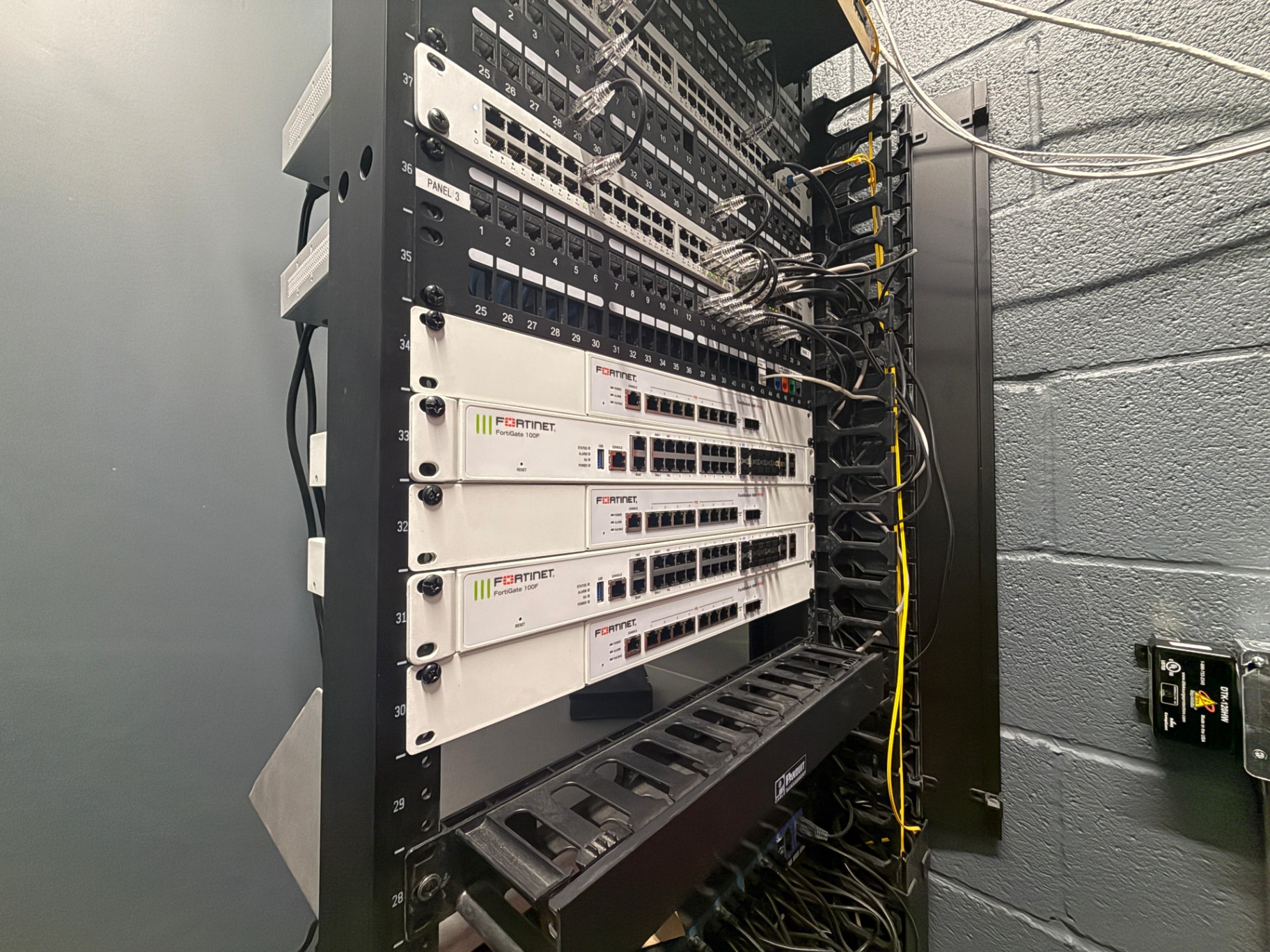
- Structured cabling and low-voltage infrastructure , Installing Cat6A runs, fiber optic backbones, patch panel configurations, and rack-mounted equipment
- Network hardware troubleshooting , Replacing failed switches, routers, firewalls, or access points when swap procedures require onsite verification
- POS and payment terminal support , Diagnosing hardware malfunctions, printer jams, card reader failures, or cash drawer connectivity issues that impact transaction processing
- Conference room AV systems , Configuring video conferencing equipment, troubleshooting display connectivity, and verifying audio/video quality before critical meetings
- Site surveys and infrastructure assessments , Evaluating existing infrastructure, measuring signal strength, and documenting as-built conditions before upgrades
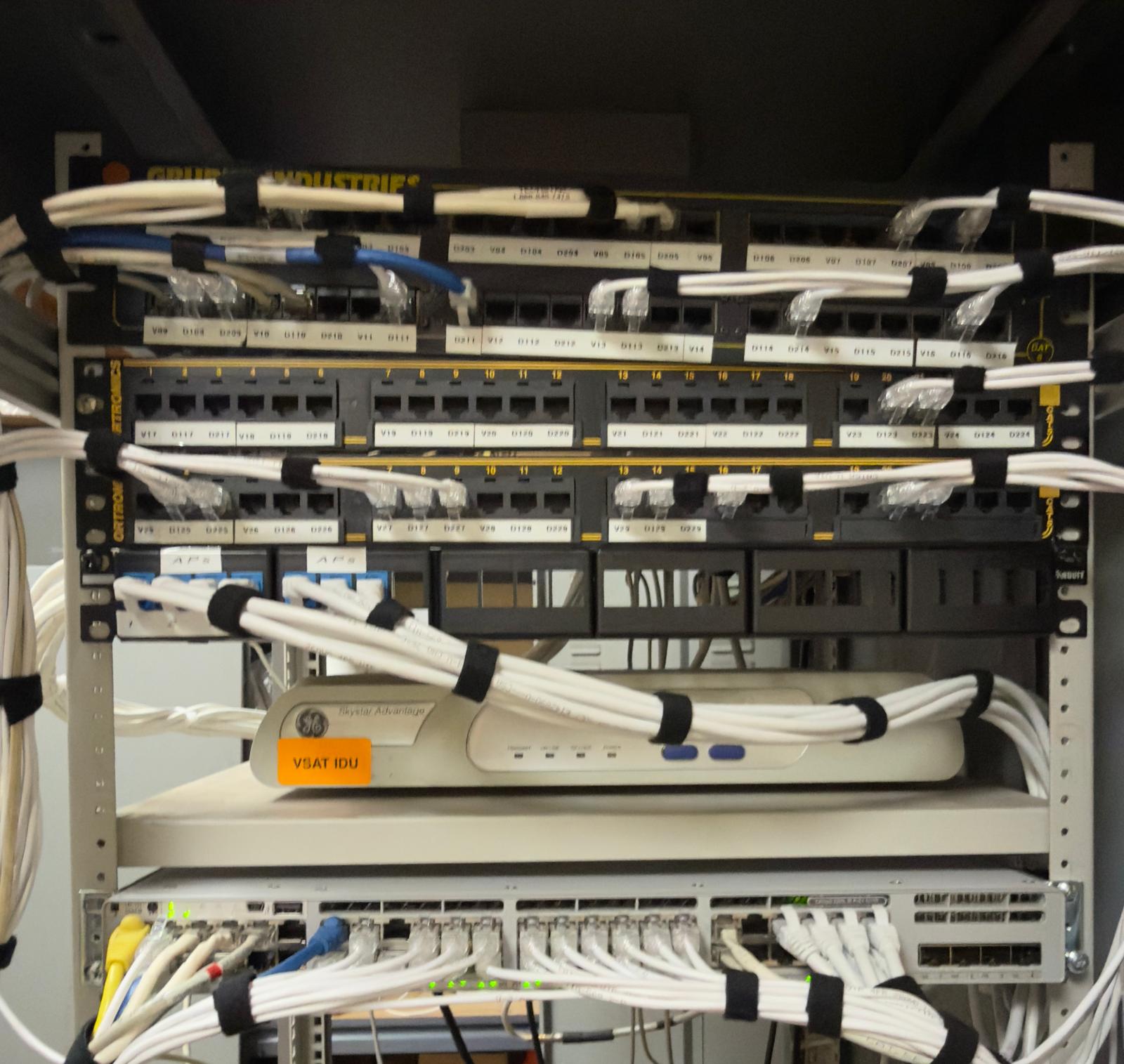
Onsite support becomes cost-prohibitive when deployed at every location for routine issues. Travel time, mileage reimbursement, and technician scheduling create inefficiencies that slow response times and inflate per-ticket costs, especially during multi-site outages that require simultaneous dispatch.
The Hybrid IT Support Model: Optimized for Multi‑Site Businesses
A hybrid approach combines centralized remote monitoring with strategic onsite deployment, delivering faster resolution times and better SLA performance than either model alone.
NJTechland's hybrid framework for multi-location clients includes:
- Remote-first triage and resolution , 24/7 NOC team handles network monitoring, software patches, cloud infrastructure, user support, and security alerts across all locations
- Nationwide field technicians on standby , Certified onsite techs dispatched for hardware failures, cabling projects, equipment installations, and escalated issues requiring physical intervention
- Dedicated project manager , Single point of contact coordinates remote and onsite resources, manages SLA compliance, and provides real-time status updates
- 95%+ SLA adherence , Contractual uptime guarantees backed by redundant support tiers and rapid escalation protocols
- No long-term contracts , Month-to-month service agreements allow flexibility as your infrastructure evolves
This model ensures immediate remote response for 80% of incidents while maintaining access to certified field technicians for the 20% of issues requiring hands-on support.
Decision Framework: Choosing the Right Support Model
Use this framework to evaluate which approach aligns with your operational requirements:
Choose Remote-Only Support If:
- 90%+ of your infrastructure is cloud-based (SaaS applications, hosted VoIP, cloud storage)
- You operate fewer than 5 physical locations with minimal onsite hardware
- Budget constraints prioritize cost efficiency over guaranteed onsite response times
- Your team has basic technical skills to perform guided hardware swaps under remote direction
Choose Hybrid Support If:
- You operate 5+ locations across multiple states or regions
- Critical infrastructure includes onsite servers, network equipment, POS systems, or CCTV surveillance
- Downtime at any location directly impacts revenue, customer experience, or regulatory compliance
- You require guaranteed onsite response times (4-hour or same-day SLA) for hardware failures
- Upcoming projects include structured cabling, network upgrades, or equipment refresh cycles
Choose Onsite-Only Support If:
- Security policies prohibit remote access to production systems
- You operate a single high-density location (corporate HQ, data center, manufacturing facility) requiring full-time onsite presence
- Infrastructure complexity demands dedicated staff with intimate knowledge of physical layout and custom configurations
For retail chains, restaurant groups, banking branches, healthcare networks, and distributed corporate offices, hybrid support delivers the best balance of response speed, cost efficiency, and operational flexibility.

How NJTechland Delivers Nationwide Multi‑Site Support
NJTechland provides end-to-end IT support for businesses operating across all 50 states, combining remote NOC monitoring with certified field technicians in every major metro area.
Service delivery includes:
- 24/7/365 remote monitoring and helpdesk , Proactive network monitoring, real-time alerting, and immediate incident response for software and cloud infrastructure issues
- Nationwide smart hands and field services , Onsite technicians dispatched for hardware troubleshooting, structured cabling, equipment installations, and complex projects requiring physical presence
- Structured cabling and low-voltage infrastructure , Cat6A installations, fiber optic backbones, patch panel configurations, and rack-mounted infrastructure across multiple sites
- Project management and coordination , Dedicated PM handles scheduling, site readiness verification, equipment staging, and post-deployment documentation
- SLA-backed performance guarantees , 95%+ uptime commitments with documented response times and escalation procedures
- CSAT 90%+ client satisfaction , Quality assurance protocols ensure consistent service delivery across all locations and technician dispatches
Whether you're expanding into new markets, consolidating IT vendors, or upgrading aging infrastructure, NJTechland acts as your long-term technology partner , not just a break-fix vendor.
Learn more about NJTechland's nationwide coverage and recent multi-site deployments.
Frequently Asked Questions
What response time should I expect for remote vs onsite support?
Remote support typically responds within 15 minutes for critical incidents. Onsite dispatch depends on location and SLA tier , major metro areas receive 4-hour response; rural locations may require 24-hour advance scheduling.
Can remote technicians fix hardware problems?
Remote teams diagnose hardware failures and walk onsite staff through replacement procedures. Physical swap-outs (hard drives, power supplies, network cards) require onsite intervention or overnight equipment shipment with remote-guided installation.
How does hybrid support reduce costs compared to full onsite staffing?
Hybrid models eliminate per-site fixed costs (salaries, benefits, office space) while maintaining access to field technicians when needed. Most clients see 40-60% cost reduction vs dedicated onsite staff at every location.
What happens if my internet goes down and remote support can't connect?
Critical infrastructure should include out-of-band management (cellular failover, IPMI, or remote console access). For complete internet outages, onsite dispatch becomes mandatory , hybrid models ensure field techs are available for emergency response.
Do I need onsite support for structured cabling projects?
Yes. Cable installation, termination, certification testing, and rack mounting require physical presence. NJTechland coordinates onsite cabling projects alongside remote network configuration to ensure seamless cutover with minimal downtime.
How do you handle after-hours emergencies across multiple time zones?
24/7 NOC coverage ensures consistent support regardless of time zone. Field technicians in local markets provide after-hours onsite response when hardware intervention is required outside business hours.
Ready to Optimize Your Multi‑Site IT Support?
NJTechland delivers hybrid IT support designed for businesses operating across multiple locations : combining 24/7 remote monitoring with certified field technicians nationwide.
Whether you're supporting 5 retail stores or 500 branch offices, we provide the infrastructure expertise, project management, and SLA-backed service delivery to keep your operations running without interruption.
Get in touch: Call (732) 272-0053 or email service@njtechland.com to discuss your multi-site IT requirements and receive a customized support proposal tailored to your infrastructure, locations, and uptime goals.
No long-term contracts. No geographic limitations. Just reliable IT support that scales with your business.
SEO Metadata for Eva:
Title: Onsite IT Support vs Remote IT Support: What Multi‑Site Businesses Should Choose in 2026
Meta Description: Compare remote IT support vs onsite IT support for multi-location businesses. Learn which model delivers better uptime, cost efficiency, and SLA performance for retail, healthcare, and corporate operations.
Primary Keywords: remote IT support, onsite IT support, multi-site IT support, hybrid IT support model, nationwide IT support, 24/7 IT support
Secondary Keywords: IT support for retail chains, IT support for restaurants, banking IT support, healthcare IT support, warehouse IT support, structured cabling, field technician services, NOC monitoring
Target Audience: Operations managers, IT directors, and business owners managing retail chains, restaurant groups, banking branches, healthcare facilities, corporate offices, warehouses, and distributed teams across multiple locations
Word Count: ~1,450 words
Internal Links Used:
CTA: Contact NJTechland at (732) 272-0053 or service@njtechland.com
Unlock exclusive rewards with every referral—enroll now!